The Middle East remains at the center of international attention as conflicts, military confrontations, humanitarian emergencies, and diplomatic efforts continue across several countries. From Gaza and Israel to Iran, Lebanon and Yemen, developments in one part of the region can quickly affect neighboring countries, international trade, energy markets, and global security.
The situation is particularly complicated because there is not one single conflict driving the region’s instability. Several overlapping conflicts and political disputes are taking place at the same time. Recent developments involving Iran, Israel, Yemen and the Red Sea have added another layer of uncertainty.
So, what is happening in the Middle East, and why does it matter to the rest of the world?
Conflict Between Israel and Iran Remains a Major Concern
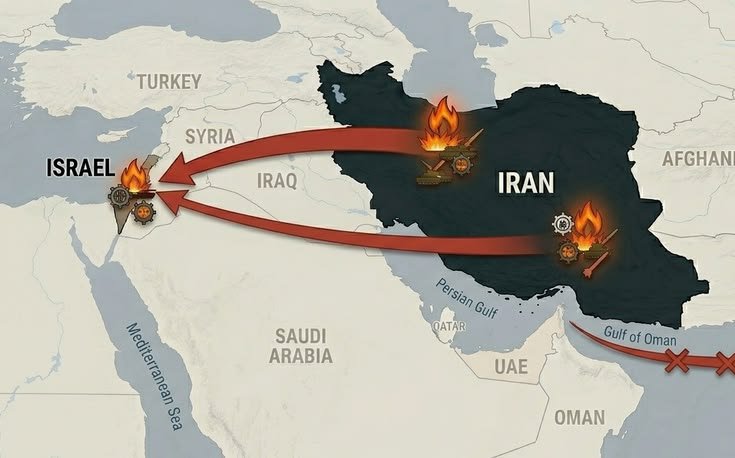
One of the most significant developments affecting the region is the continuing confrontation involving Israel, Iran and the United States.
Reports in recent months have described military operations and diplomatic efforts involving Iran, while negotiations over the future of the conflict remain uncertain. On October 2, U.S. President Donald Trump said Iran was prepared to negotiate, while tensions continued over the possibility of renewed military action.
The confrontation matters beyond the borders of Iran and Israel because the region contains major energy infrastructure and some of the world’s most important shipping routes.
The Strait of Hormuz is particularly important. A large share of global oil and gas shipments passes through the narrow waterway, meaning prolonged disruption could affect fuel prices and economies far outside the Middle East.
Recent analysis from ACLED has also focused on the condition of shipping through the Strait of Hormuz and whether energy flows are beginning to recover.
Gaza Remains a Major Humanitarian Concern
The situation in Gaza continues to be one of the region’s most serious humanitarian issues.
The war that began after the Hamas-led attack on Israel in October 2023 has caused enormous loss of life and widespread destruction. According to figures reported by the Associated Press from Gaza’s Health Ministry, more than 74,000 Palestinians had been killed by September 27, 2026, with more than 175,000 wounded. The figures are supplied by Gaza’s Health Ministry and are not independently verified by the AP.
Although a ceasefire was announced in 2025, violence has not completely stopped. Israeli strikes have continued, while humanitarian organizations have warned about shortages of food, medicine and other essential supplies.
The United Nations reported in October that not one hospital in Gaza was fully functional, with medical facilities facing persistent shortages. The World Health Organization also said medical supplies were being delayed by lengthy approval procedures.
For civilians, the consequences extend far beyond the immediate danger of military attacks. Damage to homes, hospitals, schools, water systems and other infrastructure has made everyday life extremely difficult.
Humanitarian organizations continue to call for greater access for aid and improved conditions for civilians.
Yemen and the Red Sea Are Becoming Increasingly Important
Another major development is unfolding in Yemen.
The Houthi movement, an Iran-aligned political and military organization, has become an important factor in the wider regional conflict. The group’s activities have affected shipping routes around the Red Sea and the Bab el-Mandeb Strait, one of the world’s important maritime chokepoints.
Recent reports indicate that Saudi Arabia is preparing a major military operation against the Houthis, with the objective of restoring control over strategic areas along Yemen’s Red Sea coast. Reuters reported on October 2 that Saudi-backed Yemeni forces could be supported by Saudi air power and U.S. intelligence, although the United States was not expected to participate directly in the offensive at that stage.
The development could have consequences well beyond Yemen.
The Bab el-Mandeb connects the Red Sea with the Gulf of Aden and is an important route for international shipping. Any prolonged disruption could force commercial vessels to take longer routes, increasing transportation costs and potentially affecting the prices of goods.
ACLED has also warned that Houthi gains around the Bab el-Mandeb are increasing risks to Red Sea shipping, energy infrastructure and oil markets.
Yemen Is Facing a Serious Food Crisis
Military developments in Yemen are also creating a severe humanitarian situation.
The World Food Programme has reported that nearly three out of four households in government-controlled areas are struggling to meet basic food needs. The organization says renewed fighting has displaced more than 152,000 people in recent weeks, while food prices have increased sharply in some areas.
Yemen is particularly vulnerable because it depends heavily on imported food. The WFP estimates that around 90% of the country’s food is imported.
This means disruptions to ports, roads and shipping routes can quickly affect ordinary families.
The crisis demonstrates why military developments in the Middle East cannot be viewed only through the lens of geopolitics. Behind every military operation are communities dealing with displacement, hunger, damaged infrastructure and uncertainty about their future.
Lebanon Remains Fragile
Lebanon is another important part of the regional picture.
The country has been heavily affected by the wider conflict between Israel and groups aligned with Iran, particularly Hezbollah. Although ceasefire arrangements have reduced some fighting at various points, tensions remain.
Recent reporting has also focused on political and security discussions involving Lebanon, Syria and Hezbollah. Reuters reported that Syrian officials and Hezbollah representatives reportedly held discussions in Turkey in September aimed at reducing tensions and addressing security concerns. Syria and Turkey denied that such a meeting took place, meaning the reported discussions remain disputed.
Lebanon’s situation is important because renewed fighting there could create another major front in an already complicated regional crisis.
The country also faces significant economic and social pressures, making prolonged instability particularly difficult for its population.
Syria Is Going Through a Different Kind of Transition
Syria continues to face the consequences of years of war and political upheaval.
The fall of Bashar al-Assad’s government in 2024 changed the regional political landscape, but the transition has not removed Syria’s security challenges.
Different armed groups, neighboring states and international powers continue to have interests in the country. Border security, weapons transfers, militant groups and regional rivalries remain important issues.
Syria’s future also matters to neighboring Lebanon, Iraq, Turkey, Israel and Jordan. Any major deterioration in Syrian security could create additional refugee movements and regional instability.
Why Does the Middle East Matter to the Rest of the World?
The Middle East is important to the global economy because of its energy resources and strategic transportation routes.
The region includes major oil and gas producers and sits along shipping corridors connecting Asia, Europe and Africa.
When conflicts threaten these routes, businesses can face higher transportation and insurance costs. Energy prices can also become more volatile.
The consequences can eventually reach consumers in countries far away from the conflict. Higher energy and shipping costs can contribute to higher prices for fuel, food and manufactured products.
The Red Sea and the Strait of Hormuz are therefore not simply regional concerns. Their stability can affect international commerce.
Diplomacy Remains a Critical Part of the Story
Military developments receive much of the international attention, but diplomatic efforts remain an important part of the Middle East situation.
The United Nations has repeatedly called for de-escalation, respect for international law and diplomatic negotiations. In June 2026, the UN Secretary-General urged the parties involved in conflicts involving Gaza, Lebanon and Iran to respect ceasefires and avoid actions that could further escalate the situation.
Diplomacy is difficult because there are many different actors with competing interests.
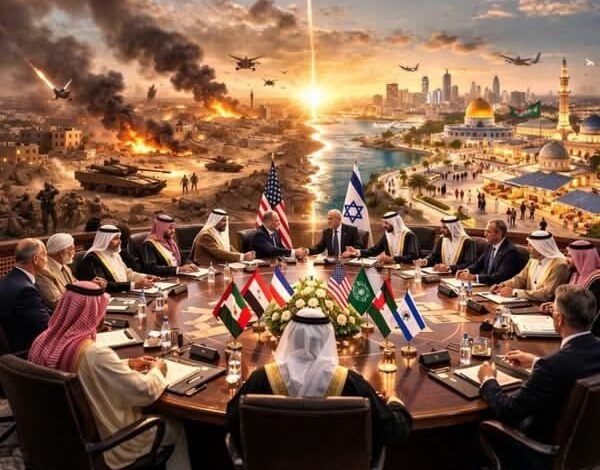
Israel has security concerns involving Hamas, Hezbollah and Iran. Iran has its own regional and national security interests. Arab governments have to balance regional security, economic interests and relationships with international powers. Meanwhile, Palestinian civilians, Lebanese communities and Yemenis continue to face the human consequences of conflict.
Finding agreements that address these competing concerns is therefore extremely complicated.
What Could Happen Next?
The future remains uncertain.
Several developments could influence the region in the coming months. These include negotiations involving Iran, the direction of the Israel-Gaza conflict, developments between Saudi Arabia and the Houthis, the security situation in Lebanon and Syria, and the stability of major shipping routes.
A reduction in fighting could improve humanitarian conditions and help stabilize energy and shipping markets. On the other hand, a major escalation involving additional countries could create wider security and economic consequences.
The situation can change quickly, which is why individual developments should be considered within the broader regional picture.
Final Thoughts
So, what is happening in the Middle East?
The region is experiencing several interconnected crises rather than one single conflict. Gaza remains a major humanitarian emergency, tensions involving Iran and Israel continue to affect regional security, Lebanon remains fragile, and renewed fighting in Yemen is creating new risks for civilians and international shipping.
The situation also demonstrates how closely regional security is connected to the global economy. Events around the Red Sea, Bab el-Mandeb and the Strait of Hormuz can influence energy supplies, shipping costs and international markets.
For people following Middle East news, it is important to look beyond individual headlines and understand how different conflicts and political developments are connected.
The coming months will depend heavily on diplomacy, military decisions, humanitarian access and the willingness of regional and international actors to prevent further escalation. For millions of people across the region, however, the most important issue is not geopolitics but the possibility of living safely, accessing food and healthcare, and rebuilding their communities after years of conflict.