Cities around the world are facing increasing pressure from climate-related risks. Rising temperatures, flooding, drought, wildfires, powerful storms and rising sea levels are forcing local governments to rethink how urban areas are designed, built and managed.
For city leaders, preparing for climate change is no longer only about protecting the environment. It is also about protecting people, homes, businesses, transportation systems, electricity networks, water supplies and local economies.
More than half of the world’s population already lives in urban areas, and the United Nations expects that share to continue increasing. As cities grow, the decisions being made today about buildings, roads, drainage, housing and public spaces could determine how resilient communities are in the future.
Climate adaptation is therefore becoming a major part of urban planning.
So, how are cities preparing for climate risks?
Cities Are Mapping Their Climate Risks
One of the first steps many cities are taking is identifying which areas are most vulnerable.
Officials can use climate data, satellite imagery, weather records and geographic information systems to identify neighborhoods that are at greater risk from flooding, extreme heat, coastal storms or other hazards.
This information helps governments decide where investment is most urgently needed.
For example, a city experiencing frequent flooding may identify neighborhoods with inadequate drainage.
Another city may discover that certain areas have very little tree cover and experience significantly higher temperatures during heatwaves.
Understanding these differences allows governments to focus resources where they can have the greatest impact.
Flood Protection Is Becoming a Priority
Flooding is one of the most serious climate risks facing many urban areas.
Cities are investing in drainage systems, flood barriers, retention ponds, wetlands and other infrastructure designed to manage heavy rainfall.
Some governments are also restoring natural areas that can absorb excess water.
Wetlands, forests and green spaces can slow the movement of water and reduce pressure on drainage networks.
In densely populated cities, even small changes can make a difference.
Permeable pavement, rain gardens and green roofs can allow more rainwater to enter the ground instead of immediately flowing into streets and drainage systems.
Coastal Cities Are Preparing for Rising Seas
Coastal cities face another major challenge: rising sea levels.
Low-lying communities can become more vulnerable to flooding, coastal erosion and storm surges as sea levels rise.
Some cities are responding by constructing or strengthening sea walls and flood barriers.
Others are restoring mangroves, wetlands and coastal ecosystems that can provide natural protection.
Long-term planning is particularly important for coastal communities.
New buildings and infrastructure may need to be designed to withstand higher flood risks.
In some particularly vulnerable areas, governments may also consider limiting new development.
More Trees Are Being Planted
Urban trees are becoming an important part of climate adaptation.
Trees provide shade, reduce surface temperatures and can make streets more comfortable during hot weather.
They can also help absorb rainfall and improve local air quality.
Many cities are therefore expanding tree-planting programs.
However, successful urban forestry requires more than simply planting large numbers of trees.
Cities need to choose species that can survive local conditions and ensure that trees receive sufficient water and maintenance.
Protecting existing mature trees can also be extremely valuable because larger trees provide significant shade.
Cities Are Creating More Green Spaces
Parks and green spaces can provide multiple climate benefits.
They can help reduce urban temperatures and provide areas where residents can escape extreme heat.
Green spaces can also absorb rainwater and reduce flooding.
As a result, some city planners are integrating parks, gardens, green corridors and vegetation into neighborhoods that previously contained large amounts of concrete and asphalt.
This approach is sometimes described as green infrastructure.
Instead of relying entirely on concrete drainage systems and other traditional infrastructure, cities can combine engineered systems with natural solutions.
Buildings Are Becoming More Climate-Resilient
Buildings play a major role in protecting people from climate risks.
New construction standards can require stronger structures, better insulation, improved ventilation and materials that can withstand higher temperatures or stronger storms.
In hot regions, buildings can be designed to reduce heat entering indoor spaces.
Reflective roofs, shaded windows and natural ventilation can reduce the need for air conditioning.
In flood-prone areas, buildings may be raised above expected flood levels.
These measures can increase construction costs initially, but they may reduce damage and energy expenses over the long term.
Cooling Cities During Heatwaves
Extreme heat is becoming one of the biggest climate challenges for urban areas.
Cities are developing heat-action plans that can include public warnings, cooling centers and special assistance for vulnerable residents.
Some governments are also creating shaded pedestrian routes and installing drinking-water stations in public areas.
Schools, hospitals and care facilities may receive additional guidance during severe heat.
The goal is to prevent heatwaves from becoming public-health emergencies.
Electricity Systems Are Being Upgraded
Climate risks can place significant pressure on electricity networks.
Extreme heat can increase demand for air conditioning, while storms, wildfires and flooding can damage power infrastructure.
Cities and utilities are therefore looking for ways to make electricity systems more resilient.
This can include strengthening transmission lines, upgrading substations and improving backup systems.
Renewable energy and battery storage can also play a role.
Distributed energy systems can provide electricity locally when part of the wider grid is disrupted.
Water Security Is Becoming More Important
Cities need reliable water supplies, but climate change can make water management more difficult.
Drought can reduce reservoirs and groundwater supplies.
At the same time, heavy rainfall can overwhelm water infrastructure.
Cities are responding in different ways.
Some are investing in water recycling and wastewater treatment.
Others are improving leak detection and encouraging water conservation.
Rainwater harvesting can also provide an additional source of water for certain uses.
Long-term water planning is becoming particularly important in rapidly growing cities.
Public Transportation Is Being Adapted
Climate risks can disrupt public transportation.
Flooding can close roads and rail lines.
Extreme heat can affect tracks and other infrastructure.
Storms can damage bridges, stations and electrical systems.
Cities are therefore looking at ways to make transportation networks more resilient.
This can include improved drainage around roads, stronger infrastructure and better emergency planning.
Some cities are also expanding public transportation and cycling infrastructure as part of broader efforts to reduce emissions and improve urban mobility.
Emergency Warning Systems Are Improving
Early-warning systems can save lives.
Weather forecasting technology allows cities to warn residents about approaching storms, floods and heatwaves.
Modern systems can send alerts through mobile phones, television, radio and online platforms.
However, warnings must be understandable and reach vulnerable residents.
Cities are therefore working on clearer communication strategies.
Some communities also conduct emergency drills so residents know what to do when a disaster occurs.
Healthcare Systems Are Preparing
Climate risks can create additional pressure on healthcare systems.
Heatwaves can increase cases of heat-related illness.
Floods can affect access to hospitals and medical supplies.
Wildfire smoke can worsen respiratory problems.
Healthcare facilities therefore need their own resilience plans.
Hospitals may need backup power systems, reliable water supplies and emergency procedures for extreme weather.
Public-health agencies also monitor climate-related risks and provide advice to residents.
Protecting Vulnerable Communities
Climate adaptation is not only about infrastructure.
It is also about social protection.
Low-income households, elderly residents, people with disabilities and others may face greater risks during climate-related emergencies.
Some residents may not have access to air conditioning or reliable transportation during heatwaves.
Others may live in poorly insulated or flood-prone housing.
Cities are increasingly considering these inequalities when designing climate policies.
Programs that provide cooling assistance, emergency housing or targeted support can help vulnerable residents cope with extreme conditions.
Businesses Are Being Encouraged to Prepare
Local businesses can also play an important role in climate resilience.
Companies may need emergency plans for floods, storms, heatwaves and power outages.
Businesses with critical supply chains may develop alternative suppliers or backup facilities.
Some are investing in energy-efficient buildings and renewable power.
Small businesses can face particular difficulties because they often have fewer financial resources.
Local governments may therefore provide information, training or financial assistance to help them prepare.
Climate Adaptation Is Becoming Part of Urban Planning
Perhaps the biggest change is that climate resilience is increasingly being incorporated into everyday planning.
Instead of treating climate risks as an emergency issue, cities are beginning to consider them when approving new developments, designing roads and planning housing.
A new neighborhood built today could remain in use for decades.
That means planners need to consider the climate conditions residents may experience in the future.
This long-term approach can reduce the need for expensive modifications later.
Technology Is Helping Cities Prepare
Technology is becoming an important tool for climate adaptation.
Sensors can monitor temperature, rainfall and water levels.
Satellites can track changes in vegetation, flooding and urban development.
Artificial intelligence can help analyze large amounts of weather and infrastructure data.
Digital models can help planners test how different parts of a city might respond to floods or heatwaves.
These technologies can help governments make more informed decisions.
However, technology works best when combined with strong institutions, funding and community involvement.
Financing Climate Resilience Remains Difficult
One of the biggest obstacles is money.
Climate adaptation can require significant investment.
Building flood defenses, upgrading drainage systems, replacing old infrastructure and redesigning neighborhoods can be expensive.
Developing cities often face particularly difficult choices because they have many competing priorities.
Governments may need to balance climate investment with spending on housing, healthcare, education and transportation.
International development financing and private investment can therefore play an important role.
Cities Are Combining Climate Adaptation With Emissions Reduction
Cities are increasingly recognizing that adaptation and emissions reduction can work together.
For example, improving public transportation can reduce emissions while making cities more accessible.
Planting trees can help cool neighborhoods while supporting biodiversity.
Energy-efficient buildings can reduce emissions while lowering electricity costs.
Renewable energy can reduce dependence on fossil fuels while strengthening energy resilience.
These combined benefits can make climate investments more attractive.
What Could Climate-Resilient Cities Look Like?
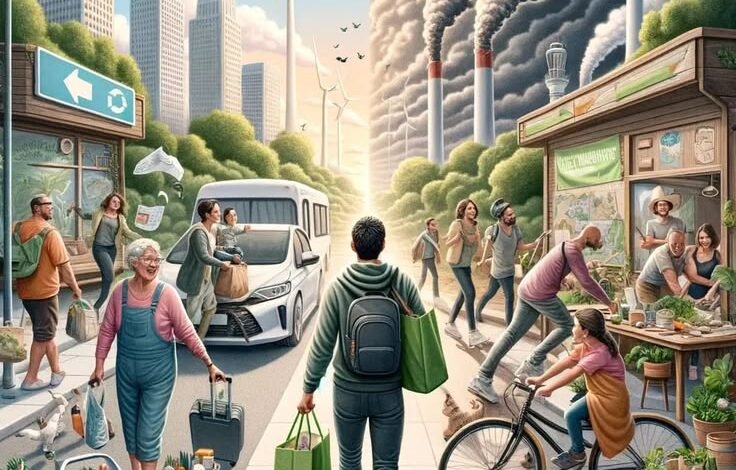
A climate-resilient city of the future could have more trees and green spaces, better drainage, stronger buildings and improved public transportation.
Homes and offices could use less energy while remaining comfortable during extreme temperatures.
Electricity systems could rely on a combination of renewable energy, batteries and traditional infrastructure.
Coastal areas could have stronger flood defenses and restored natural ecosystems.
Residents could receive faster warnings about dangerous weather.
Most importantly, climate resilience could become part of normal urban planning rather than an emergency response after disasters happen.
Final Thoughts
So, how are cities preparing for climate risks?
They are investing in flood protection, stronger infrastructure, urban trees, green spaces, resilient buildings, improved water systems, upgraded electricity networks, early-warning systems and better emergency planning.
The challenge is enormous because climate risks vary from city to city.
A coastal city may focus on sea-level rise and storm surges, while an inland city may prioritize heatwaves, drought or flooding.
There is no single solution.
What matters is understanding local risks and investing before disasters occur.
The costs of climate adaptation can be significant, but failing to prepare can be even more expensive.
As urban populations continue to grow and climate-related risks become more visible, resilient cities will become increasingly important to the global economy.
The cities that plan ahead, protect vulnerable residents and invest in climate-ready infrastructure may be better positioned to remain safe, healthy and economically productive in a changing climate.