Extreme weather events can change people’s lives within hours. A powerful storm can damage homes, flooding can force families to leave their neighborhoods, extreme heat can threaten public health, and drought can affect food production and water supplies.
Around the world, communities are facing growing pressure from weather-related disasters. These events can cause immediate destruction, but their effects often continue long after the skies clear. Roads may remain damaged, businesses can struggle to reopen, families may face financial losses, and governments can spend large amounts of money rebuilding infrastructure.
The World Meteorological Organization has warned that extreme weather and climate-related events are causing significant social and economic disruption around the world. Its latest assessments emphasize that better early-warning systems and climate information are increasingly important for protecting communities.
So, how are extreme weather events affecting communities, and why are their consequences becoming such an important global issue?
Flooding Is Disrupting Communities
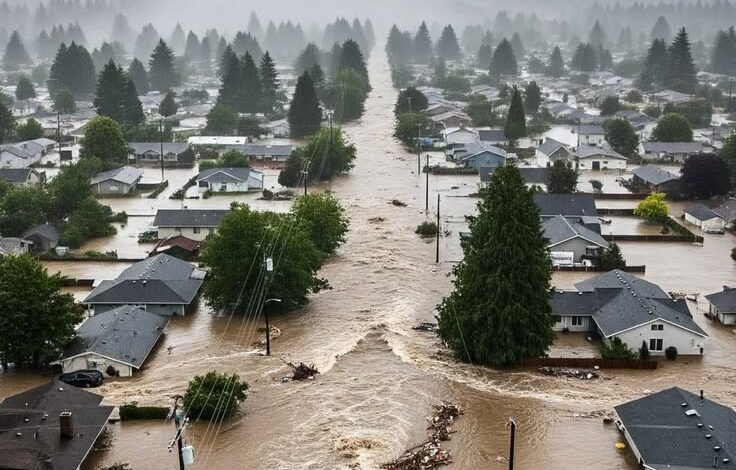
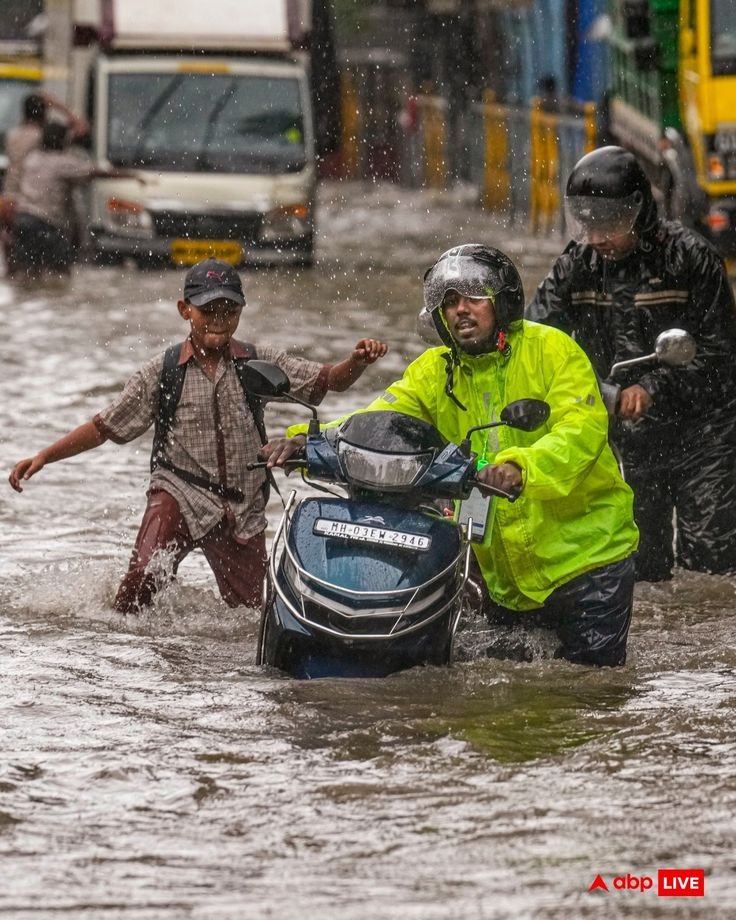
Flooding is one of the most common and damaging extreme weather hazards.
Heavy rainfall can overwhelm drainage systems, rivers can rise rapidly, and coastal communities can experience flooding during powerful storms.
When water enters homes, families can lose furniture, appliances, important documents and personal belongings.
Flooding can also damage roads and bridges, making it difficult for emergency services to reach affected neighborhoods.
Schools may close temporarily, while businesses can be forced to suspend operations.
For communities that experience repeated flooding, the financial burden can become particularly difficult.
Even after floodwaters disappear, residents may have to deal with mold, damaged electrical systems, contaminated water and expensive repairs.
Extreme Heat Is Becoming a Major Concern
Extreme heat can be less visually dramatic than a hurricane or flood, but it can be extremely dangerous.
Very high temperatures can increase the risk of heat-related illness, particularly among older adults, young children and people who work outdoors.
Hospitals can also experience greater pressure during prolonged heatwaves.
Extreme heat affects communities in other ways as well.
Workers may become less productive when temperatures are unusually high. Construction workers, farmers, delivery drivers and other outdoor employees may have to reduce working hours or change schedules.
Electricity demand can also increase as households and businesses use more air conditioning.
This can put additional pressure on power systems.
Drought Can Threaten Food and Water Supplies
While flooding involves too much water, drought creates the opposite problem.
Long periods without sufficient rainfall can reduce water supplies and damage agricultural production.
Farmers may struggle to grow crops or provide enough water for livestock.
If drought affects a major agricultural region, food prices can increase.
Communities that depend heavily on farming can experience particularly serious economic consequences.
Drought can also create competition over water resources.
Governments may have to introduce restrictions or invest in new water infrastructure.
In regions already experiencing water shortages, prolonged drought can contribute to migration and social tension.
Wildfires Can Destroy Homes and Infrastructure
Wildfires are another major threat to communities.
A fast-moving wildfire can destroy homes, businesses, forests, power lines and roads.
Residents may have very little time to evacuate when fires spread quickly.
Even people who do not lose their homes can be affected by smoke.
Wildfire smoke can travel hundreds or even thousands of miles, reducing air quality far from the original fire.
This can create health problems and force schools, workplaces and outdoor activities to close temporarily.
Communities can also face enormous rebuilding costs after a major wildfire.
Tropical Storms Can Cause Widespread Damage
Hurricanes, typhoons and other tropical cyclones can combine several hazards at once.
Strong winds can damage buildings and power infrastructure.
Heavy rainfall can cause flooding.
Coastal storm surges can push large amounts of seawater inland.
The combination can leave communities without electricity, clean water or reliable transportation.
Ports and airports may also close, disrupting trade and travel.
For coastal economies, these disruptions can have consequences far beyond the immediate disaster zone.
Infrastructure Is Under Increasing Pressure
Extreme weather places enormous pressure on infrastructure.
Roads, bridges, power networks, water systems, hospitals and communication networks are all vulnerable.
Many cities were designed using historical weather patterns.
As weather conditions become more extreme, some infrastructure may no longer be adequate for the conditions communities experience.
For example, drainage systems designed to handle moderate rainfall may become overwhelmed by exceptionally heavy storms.
Electricity networks can also be damaged by strong winds, floods, wildfires or extreme heat.
Building more resilient infrastructure is therefore becoming an important priority for governments.
Businesses Can Face Major Losses
Extreme weather does not only affect households.
Businesses can lose inventory, equipment and buildings.
A restaurant may be unable to operate after flooding.
A factory may have to stop production if roads are blocked or electricity is unavailable.
Farmers can lose entire harvests because of drought, flooding or extreme temperatures.
Small businesses can be particularly vulnerable because they may have limited cash reserves.
A large company may be able to absorb temporary losses, while a small business could struggle to survive after several weeks without revenue.
Supply Chains Can Be Disrupted
Modern economies depend on complex supply chains.
A product sold in one country may contain components manufactured in several others.
Extreme weather can disrupt this system.
Flooded roads can prevent trucks from reaching warehouses.
Damaged ports can delay imports and exports.
A drought can reduce agricultural production.
A major storm can close airports and shipping terminals.
These disruptions can eventually affect consumers through higher prices or shortages.
This demonstrates how a weather disaster in one location can create economic consequences far beyond the affected community.
Food Prices Can Be Affected
Agriculture is particularly sensitive to weather.
Crops need suitable temperatures, rainfall and growing conditions.
Too much rain can damage crops, while too little water can reduce yields.
Extreme heat can also affect livestock.
When agricultural production falls, food supplies can become tighter.
Higher production and transportation costs can then contribute to higher food prices.
Consumers may notice these effects at grocery stores even when the original weather event occurred far away.
Insurance Costs Are Changing
Extreme weather is also affecting insurance markets.
When disasters become more frequent or expensive, insurers may face larger claims.
This can contribute to higher premiums for homes, businesses and vehicles in vulnerable areas.
In some high-risk locations, insurance can become difficult or expensive to obtain.
That creates another challenge for communities.
Without adequate insurance, families and businesses may struggle to recover after disasters.
Governments may then face pressure to provide financial assistance.
Public Health Can Be Affected
The health consequences of extreme weather can continue long after an event.
Flooding can contaminate water supplies.
Extreme heat can increase heat-related illness.
Wildfire smoke can worsen air quality.
Storm damage can interrupt access to healthcare.
Disasters can also affect mental well-being.
People who lose homes, businesses or loved ones may experience significant emotional stress.
Children can be particularly affected when schools close or families are forced to relocate.
This makes disaster preparedness an important public-health issue.
Low-Income Communities Can Face Greater Risks
Extreme weather does not affect every community equally.
Low-income households may have fewer resources to prepare for disasters or recover afterward.
A family with limited savings may struggle to pay for temporary accommodation after a flood.
People living in poorly maintained housing may face greater risks during storms or extreme heat.
Communities with limited infrastructure may also take longer to recover.
This means climate resilience is not only an environmental issue.
It is also an economic and social issue.
Cities Are Looking for New Solutions
Governments and city planners are increasingly investing in resilience.
Possible solutions include:
- Improved drainage systems
- Flood barriers
- Stronger building standards
- Early-warning systems
- Heat shelters
- Urban trees and green spaces
- More resilient electricity networks
- Better emergency communication
- Coastal protection
- Improved water-storage systems
Some cities are also redesigning streets and public spaces to manage rainfall and reduce extreme heat.
These investments can be expensive, but they may reduce future disaster losses.
Early-Warning Systems Can Save Lives
One of the most effective ways to reduce the impact of extreme weather is to warn people before a disaster occurs.
Weather forecasting technology has improved significantly.
Governments can use satellites, radar, sensors and computer models to monitor approaching storms, floods and heatwaves.
Early warnings allow people to evacuate, protect property and prepare emergency supplies.
The World Meteorological Organization has emphasized the importance of universal early-warning coverage as part of global efforts to reduce disaster risks.
However, warnings are only effective when people can receive and understand them.
Communities also need reliable communication networks and clear emergency plans.
Climate Adaptation Is Becoming More Important
Communities cannot always prevent extreme weather.
They can, however, prepare for its effects.
This is known as climate adaptation.
Adaptation can involve changing building standards, protecting water supplies, redesigning cities and improving emergency response.
For coastal communities, adaptation may involve stronger sea defenses.
For cities experiencing extreme heat, it could mean more trees, shaded areas and cooling centers.
For agricultural communities, adaptation could include drought-resistant crops and improved irrigation.
The appropriate solution depends on the risks faced by each location.
Governments Face Large Financial Challenges
Rebuilding after disasters can cost billions of dollars.
Governments may have to repair roads, schools, hospitals, power systems and public buildings.
They may also provide financial assistance to affected households and businesses.
Repeated disasters can place significant pressure on public budgets.
This creates a difficult question: should governments spend more money responding to disasters after they happen, or invest more in prevention before they occur?
Increasingly, experts argue that investing in resilience can reduce long-term costs.
Communities Are Becoming More Resilient
Despite the challenges, communities around the world are finding new ways to prepare.
Neighborhood organizations, emergency services, volunteers and local governments often play critical roles during disasters.
Community preparedness can include emergency shelters, evacuation plans, food supplies and communication networks.
Local knowledge is particularly valuable.
Residents often understand which roads flood, which areas are vulnerable and which people may need additional assistance.
Combining local knowledge with modern forecasting technology can improve disaster response.
What Could Happen in the Future?
Extreme weather is likely to remain an important concern for communities around the world.
The challenge will not only be dealing with individual disasters but preparing for repeated events.
A community that experiences one major flood may recover relatively quickly.
Repeated floods, storms or heatwaves can gradually weaken homes, infrastructure and local economies.
This makes long-term planning increasingly important.
Governments, businesses and households will need to consider resilience when making decisions about where and how people live and work.
Final Thoughts
So, how are extreme weather events affecting communities?
They are affecting homes, infrastructure, businesses, food supplies, healthcare, transportation, insurance and household finances.
Floods can destroy property, heatwaves can threaten health, droughts can damage agriculture and wildfires can force people from their homes.
The economic consequences can extend far beyond the immediate disaster area because modern communities are connected through transportation networks, supply chains and financial systems.
Preparing for extreme weather will therefore require more than emergency response.
Communities will need stronger infrastructure, better early-warning systems, improved disaster planning and long-term investment in resilience.
For individuals, preparedness can also make a difference. Understanding local risks, having emergency plans and protecting important documents and supplies can help households respond when severe weather occurs.
Extreme weather will remain a major challenge, but communities are not powerless.
With better planning, technology, infrastructure and cooperation, societies can reduce the damage caused by disasters and recover more quickly when extreme events occur.