World politics is going through a period of significant change. Relationships between countries are shifting, major powers are competing for influence, alliances are evolving, and governments are paying closer attention to national security, technology, energy and economic independence.
The international system that shaped much of the past few decades is being challenged by new realities. Countries are increasingly focused not only on traditional military strength but also on control of technology, access to critical resources, resilient supply chains and economic influence.
At the same time, conflicts and diplomatic tensions in different regions are affecting global markets, trade and international cooperation.
So, what is changing in world politics?
Major Powers Are Competing for Influence
One of the most important changes is growing competition among major global powers.
The United States, China, Russia, the European Union and other influential countries are pursuing their own strategic interests while also trying to strengthen relationships with other nations.
This competition is visible in areas such as trade, technology, military capabilities, energy and international investment.
Countries are increasingly trying to reduce vulnerabilities while expanding their influence abroad.
The result is a more competitive international environment.
Economic Security Is Becoming More Important
For many years, economic policy and national security were often treated as separate issues.
That is changing.
Governments now increasingly view important technologies, energy supplies, food security and critical minerals as strategic assets.
Countries want to make sure they can continue accessing essential products even if international relations deteriorate.
This is encouraging governments to support domestic production and diversify international suppliers.
Economic security has therefore become an increasingly important part of foreign policy.
Global Trade Is Changing
International trade remains essential, but trade relationships are becoming more complicated.
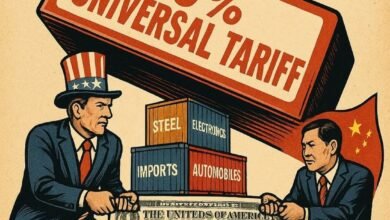
Countries are using tariffs, export controls, investment restrictions and other policies to protect strategic industries.
Businesses are responding by reconsidering where they manufacture products and where they source important components.
Instead of depending heavily on a single country or supplier, companies may build more diversified supply chains.
This could make global trade more resilient, but it could also make some products more expensive.
Technology Has Become a Political Issue
Technology is now at the center of international competition.
Artificial intelligence, advanced semiconductors, telecommunications, cybersecurity and quantum computing all have economic and strategic importance.
Countries want to maintain access to advanced technologies while preventing rivals from gaining advantages in sensitive areas.
This has resulted in growing competition over computer chips, AI infrastructure and technological standards.
Technology policy is therefore becoming an important part of international diplomacy.
Artificial Intelligence Could Change Global Power
Artificial intelligence has become particularly important.
Countries that develop strong AI industries could gain advantages in economic productivity, scientific research and national security.
Governments are investing in AI research, computing infrastructure and education.
At the same time, policymakers are discussing how AI should be regulated and how risks should be managed.
This creates a new area of international competition that extends beyond traditional military power.
Alliances Are Evolving
Traditional alliances remain important, but countries are increasingly developing flexible partnerships.
A country may cooperate with one partner on defense, another on energy and another on trade.
This creates a more complicated international system.
Countries are trying to maintain relationships with multiple powers rather than becoming completely dependent on one.
Regional organizations are also becoming more important as governments seek greater cooperation with neighboring countries.
Defense Spending Is Increasing
Security concerns are encouraging many countries to increase defense spending.
Governments are investing in military equipment, cybersecurity, intelligence and advanced technologies.
The changing security environment in Europe, the Middle East and the Indo-Pacific is contributing to greater attention on defense capabilities.
Modern military competition is also increasingly connected to drones, artificial intelligence, satellites and cyber capabilities.
Defense policy is therefore becoming more technology-driven.
Europe Is Rethinking Its Security
European countries are paying greater attention to their own defense capabilities.
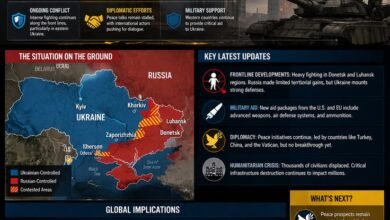
The war in Ukraine has demonstrated the importance of military readiness, ammunition supplies, air defense and resilient infrastructure.
European governments are also considering how much responsibility they should take for their own security.
This could lead to greater defense cooperation and increased investment across the region.
At the same time, Europe continues to face economic and energy challenges.
The Indo-Pacific Is Becoming More Important
The Indo-Pacific has become one of the most strategically important regions in world politics.
The region includes major economic powers, important shipping routes and several areas of geopolitical tension.
Competition involving the United States and China is particularly significant.
Taiwan, the South China Sea and regional military activity remain important issues.
Countries across Asia are seeking to strengthen their own security while maintaining economic relationships with major trading partners.
The Middle East Remains Strategically Important
The Middle East continues to influence international politics because of its strategic location, energy resources and security challenges.
Conflicts and diplomatic tensions in the region can affect oil prices, shipping routes and international trade.
The importance of major waterways also means that instability in the region can have consequences far beyond neighboring countries.
Governments around the world therefore continue to closely monitor developments across the Middle East.
Energy Is Becoming a Geopolitical Issue
Energy has always influenced international relations, but the energy transition is creating new geopolitical dynamics.
Oil and natural gas remain important, while renewable energy and electricity infrastructure are becoming increasingly strategic.
Countries are competing for access to critical minerals needed for batteries, electric vehicles and renewable-energy technologies.
This means the geopolitics of energy is expanding beyond traditional oil and gas politics.
Critical Minerals Are Gaining Importance
Modern economies depend on minerals used in electronics, batteries, defense systems and renewable-energy technologies.
Countries want secure access to these materials.
Governments are therefore seeking new suppliers and investing in domestic mining and processing.
Countries with significant mineral resources could gain greater geopolitical importance.
Competition for these resources could also influence trade relationships and diplomatic partnerships.
The Global South Is Seeking Greater Influence
Countries across Africa, Asia, Latin America and the Middle East are seeking greater influence in international affairs.
Many governments want a stronger voice in global institutions and more flexibility in choosing economic and diplomatic partners.
Rather than aligning permanently with one major power, some countries are pursuing more independent foreign policies.
This can give them greater bargaining power when negotiating trade, investment and development agreements.
BRICS and Other Partnerships Are Attracting Attention
Groups such as BRICS have become increasingly important in discussions about the changing international system.
The broader interest in these partnerships reflects a desire among some countries to strengthen cooperation outside traditional Western-led institutions.
However, the interests of participating countries are not always identical.
Their relationships can involve cooperation in some areas and competition in others.
This illustrates how complicated international politics has become.
International Institutions Face New Challenges
Organizations such as the United Nations and other international institutions continue to play important roles.
However, disagreements between major powers can make international cooperation difficult.
Countries may disagree over conflicts, sanctions, trade rules, climate policy and international security.
At the same time, global problems such as pandemics, climate change and economic instability require cooperation.
This creates a major challenge for international institutions: countries need to work together even when their strategic interests differ.
Climate Change Is Becoming a Foreign-Policy Issue
Climate change is increasingly connected to international politics.
Extreme weather can contribute to food insecurity, migration and economic disruption.
Countries are negotiating over emissions reductions, climate financing and energy transitions.
Developing countries often argue that wealthy nations should provide greater financial support for climate adaptation and clean-energy development.
Climate diplomacy is therefore becoming an increasingly important part of global politics.
Migration Is Influencing Political Debate
Migration is another issue affecting international relations.
Wars, economic hardship, climate pressures and political instability can encourage people to move across borders.
Large migration flows can place pressure on housing, public services and labor markets.
Governments are therefore developing new immigration and border policies.
Migration agreements are also becoming part of diplomatic negotiations between countries.
Cybersecurity Is Part of National Security
Modern countries depend heavily on digital infrastructure.
Government systems, banks, hospitals, businesses and communications networks all rely on computer systems.
Cyberattacks can therefore create serious economic and security problems.
Governments are investing in cybersecurity and developing strategies to protect critical infrastructure.
Cybersecurity has become another area of international competition.
Diplomacy Is Becoming More Complex
Traditional diplomacy remains important, but countries now have more tools for influencing one another.
Economic sanctions, trade restrictions, investment policies, technology controls and information campaigns can all affect international relationships.
Diplomacy increasingly involves economic and technological issues alongside traditional political negotiations.
This means foreign-policy decisions can have immediate consequences for businesses and consumers.
What Could Happen Next?
The future of world politics is difficult to predict.
Several trends are likely to remain important:
- Competition among major powers
- Changing alliances
- Technology and AI competition
- Defense spending
- Energy security
- Critical minerals
- Global trade
- Climate diplomacy
- Migration
- Cybersecurity
- The growing influence of emerging economies
These issues are closely connected.
For example, competition over AI can influence semiconductor policy. Semiconductor policy can affect trade. Trade tensions can influence alliances. Alliances can affect defense spending.
This interconnectedness makes international politics increasingly complex.
Final Thoughts
So, what is changing in world politics?
The international system is becoming more competitive, more interconnected and more complicated.
Major powers are competing for influence, while smaller and emerging countries are seeking greater independence and bargaining power.
Technology has become a central part of international competition. Economic security is becoming closely connected to national security. Energy and critical minerals are gaining strategic importance, while traditional military alliances are evolving.
At the same time, global challenges such as climate change, migration, cybersecurity and public health require countries to cooperate even when their political interests differ.
The world is therefore not simply moving toward greater conflict or greater cooperation. Both trends can happen at the same time.
Countries may compete intensely in technology and security while cooperating on trade, climate or health.
For businesses and ordinary people, these political changes matter because international decisions can influence energy prices, food costs, financial markets, jobs, technology and trade.
The biggest question for the years ahead is how countries will manage competition without allowing disagreements to undermine the cooperation needed to address problems that affect everyone.
World politics is changing—and the decisions governments make now could shape the international system for years to come.