
Global health remains one of the most important issues in international news. While the world has moved beyond the most disruptive phase of the COVID-19 pandemic, new health challenges continue to emerge across different regions.
In 2026, governments, health organizations and communities are watching infectious disease outbreaks, antimicrobial resistance, climate-related health risks, vaccination gaps, humanitarian emergencies and pressure on healthcare systems.
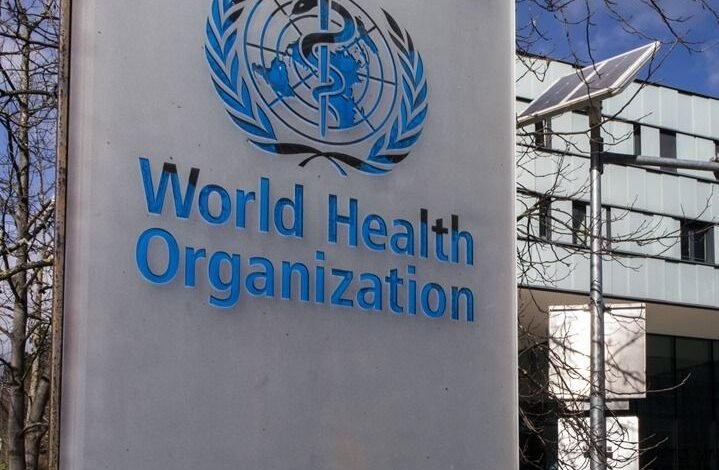
The World Health Organization’s emergency monitoring continues to track outbreaks including Ebola, cholera, mpox and other diseases, while humanitarian crises in several regions are placing additional pressure on health services.
At the same time, the global health community is trying to strengthen preparedness so that local outbreaks can be detected and contained before they become larger international emergencies.
So, what are the latest global health concerns, and why are they receiving so much attention?
Infectious Disease Outbreaks Remain a Major Concern
Infectious diseases remain one of the most immediate global health concerns.
Diseases can spread rapidly when people travel between countries, when healthcare systems are under pressure or when surveillance systems are weak.
The COVID-19 pandemic demonstrated how quickly an infectious disease can affect societies and economies around the world.
Although the circumstances surrounding each outbreak are different, governments continue to invest in disease surveillance, laboratories, vaccines and emergency response systems.
The WHO’s 2026 emergency-event monitoring has included outbreaks involving diseases such as Ebola, measles, mpox, Nipah virus and avian influenza.
These events do not mean that a new global pandemic is inevitable.
Instead, they highlight why early detection and rapid response remain important.
Ebola Is Receiving Renewed Attention
Ebola is another major concern in parts of Africa.
In 2026, the Democratic Republic of the Congo experienced a significant outbreak of Bundibugyo virus disease, a form of Ebola disease.
WHO reported that thousands of confirmed cases had been recorded in the Democratic Republic of the Congo and neighboring Uganda was also affected by imported cases. The international response included surveillance, testing, infection-control measures and preparedness activities.
The global risk assessment has remained lower outside the directly affected region, but the outbreak demonstrates how quickly infectious diseases can create major challenges for local health systems.
Cross-border travel and movement can also complicate outbreak control.
Antimicrobial Resistance Is Growing
One of the less visible but potentially enormous global health threats is antimicrobial resistance, often shortened to AMR.
AMR happens when bacteria, viruses, fungi or parasites become resistant to medicines that were previously effective against them.
This can make ordinary infections more difficult to treat.
According to WHO, approximately one in six laboratory-confirmed bacterial infections worldwide in 2023 were resistant to antibiotic treatments. WHO also estimates that bacterial antimicrobial resistance was associated with more than 4.7 million deaths globally in 2021.
The problem is partly driven by inappropriate or excessive use of antibiotics.
When antibiotics are used unnecessarily or incorrectly, resistant organisms have more opportunities to survive and spread.
The World Is Responding to Drug Resistance
Governments are increasingly treating antimicrobial resistance as a long-term global priority.
In May 2026, the World Health Assembly adopted an updated Global Action Plan on Antimicrobial Resistance covering 2026 to 2036.
The plan emphasizes prevention, vaccination, infection control, surveillance, responsible use of medicines and stronger cooperation between human, animal, agricultural and environmental health sectors.
This approach is important because antimicrobial resistance is not only a hospital problem.
Drug-resistant organisms can move between people, animals, food systems and the environment.
Mpox Continues to Be Monitored
Mpox remains another disease receiving international attention.
Although the global situation has changed considerably since the large international outbreak that began in 2022, health authorities continue to monitor transmission and genetic changes in the virus.
WHO’s emergency monitoring has continued to track mpox developments in 2026, including reports involving recombinant viruses containing genetic elements associated with different mpox clades.
Ongoing surveillance is important because changes in disease patterns can influence how health authorities respond.
Vaccination, testing, public-health communication and access to treatment remain important tools.
Measles Is Returning in Some Areas
Measles is another disease that remains a global concern.
Measles is highly contagious, but vaccination provides strong protection.
When vaccination coverage falls, outbreaks can return.
Disruptions to healthcare services, misinformation, unequal access to vaccines and declining confidence in immunization can all contribute to lower vaccination rates.
WHO’s 2026 emergency-event monitoring continues to include measles developments.
The return of preventable diseases is a reminder that maintaining vaccination programs requires continuous effort.
Avian Influenza Is Being Watched
Avian influenza, commonly known as bird flu, is another disease being closely monitored by public-health authorities.
Most avian influenza viruses primarily affect birds, but certain strains can infect mammals and, in rare circumstances, humans.
Health agencies therefore monitor animal outbreaks and human cases carefully.
The goal is to identify changes that could increase the risk of wider transmission.
WHO’s emergency-event monitoring has included several avian influenza developments, demonstrating the continuing importance of surveillance at the human-animal health boundary.
Climate Change Is Creating Additional Health Risks
Climate change is increasingly connected to global health.
Higher temperatures can contribute to heat-related illness.
Flooding can contaminate water supplies.
Drought can affect food production and nutrition.
Changing environmental conditions can also influence the geographical distribution of some infectious diseases.
This means climate policy and health policy are becoming increasingly connected.
Communities need to prepare for both immediate disasters and longer-term changes in environmental conditions.
Extreme Heat Is a Growing Health Threat
Heatwaves can be particularly dangerous for older adults, young children, outdoor workers and people with certain medical conditions.
Extreme heat can increase dehydration, heat exhaustion and other health problems.
Cities can be especially vulnerable because concrete and asphalt absorb and retain heat.
This has encouraged governments to develop heat-warning systems, cooling centers, public education programs and other adaptation measures.
As global temperatures remain unusually high, extreme heat is likely to remain an important public-health issue.
Humanitarian Crises Are Putting Pressure on Healthcare
Conflict and displacement can have devastating health consequences.
When people are forced from their homes, they may lose access to healthcare, medicines, clean water and sanitation.
Hospitals and clinics can also be damaged or overwhelmed.
Crowded living conditions can increase the spread of infectious diseases.
WHO continues to monitor humanitarian emergencies in several regions, including conflicts and crises in Africa, the Middle East and other parts of the world.
Humanitarian health challenges therefore extend beyond treating individual illnesses.
They involve food security, sanitation, vaccination, maternal care, mental health and emergency medical services.
Healthcare Systems Are Facing Financial Pressure
Another major global health concern is the ability of healthcare systems to provide services consistently.
Hospitals require trained staff, medicines, equipment and reliable infrastructure.
When funding is limited, healthcare systems may struggle to maintain essential services.
Global health organizations have also warned about the effects of funding constraints on vaccination programs, disease surveillance and other public-health initiatives.
A weaker health system can become more vulnerable when an emergency occurs.
Mental Health Remains Important
Global health is not only about infectious diseases.
Mental health is another major concern.
Economic uncertainty, conflict, displacement, disasters and social isolation can increase psychological stress.
Young people in particular face challenges involving social media, education, employment and uncertainty about the future.
Improving access to mental-health services remains an important part of building healthier communities.
However, many countries still have significant gaps between the need for mental-health support and the services available.
Health Misinformation Is Becoming More Dangerous
The spread of misinformation is another growing challenge.
False or misleading health information can spread quickly through social media and online communities.
People may encounter incorrect claims about vaccines, treatments, infectious diseases or public-health recommendations.
This can make it harder for health authorities to communicate during emergencies.
Trust is therefore becoming an increasingly important part of global health preparedness.
Clear communication, transparency and access to reliable information can help people make better decisions.
Health Inequality Remains a Global Problem
Healthcare access varies significantly between countries and communities.
Some populations have access to advanced hospitals, modern diagnostic equipment and a wide range of medicines.
Others may live far from healthcare facilities or struggle to afford basic treatment.
These differences can make health emergencies more dangerous.
Health inequality can also affect vaccination, maternal health, infectious disease treatment and chronic disease management.
Reducing these gaps remains one of the major challenges facing global health organizations.
Global Surveillance Is Becoming More Important
One lesson from recent health emergencies is that early detection matters.
The sooner authorities identify an unusual disease pattern, the sooner they can investigate and respond.
Modern surveillance can combine laboratory testing, hospitals, genomic sequencing, digital reporting and other sources of information.
International cooperation is particularly important because diseases do not respect national borders.
A country detecting a new outbreak needs systems that allow information to be shared quickly with neighboring countries and international health organizations.
Preparedness Is Receiving More Attention
Countries are also reviewing their preparedness for future health emergencies.
Preparation can include:
- Maintaining emergency medical supplies
- Strengthening laboratories
- Training healthcare workers
- Improving disease surveillance
- Expanding vaccination programs
- Developing emergency communication systems
- Improving hospital capacity
- Supporting scientific research
- Strengthening international cooperation
Preparedness may not attract as much attention as an emergency itself, but it can determine how effectively a country responds when a crisis occurs.
Technology Could Transform Global Health
Technology is creating new opportunities for healthcare.
Artificial intelligence can help researchers analyze large datasets.
Digital health systems can improve communication between healthcare providers.
Remote consultations can help people access medical advice when physical clinics are difficult to reach.
Genomic sequencing can help scientists track changes in viruses and bacteria.
However, these technologies also create challenges involving privacy, cybersecurity, affordability and unequal access.
The benefits of technology will depend partly on whether countries can make these tools available safely and fairly.
What Should People Pay Attention To?
For ordinary people, global health headlines can sometimes feel overwhelming.
Not every disease outbreak becomes an international emergency.
However, several areas deserve continued attention:
Infectious disease outbreaks: Early reports can provide important information about emerging health threats.
Vaccination: Maintaining high vaccination coverage helps prevent outbreaks of diseases that can otherwise spread rapidly.
Antimicrobial resistance: Drug-resistant infections could make many routine medical treatments more difficult.
Climate-related health risks: Heat, flooding and changing environmental conditions can affect communities.
Healthcare access: Strong health systems are essential for responding to both everyday illnesses and emergencies.
Reliable information: Following trusted health authorities can help people avoid misinformation.
Final Thoughts
So, what are the latest global health concerns?
The global health landscape in 2026 is being shaped by infectious disease outbreaks, Ebola, mpox, measles, antimicrobial resistance, avian influenza, climate-related health risks, humanitarian emergencies, healthcare funding pressures and misinformation.
These challenges are connected.
Climate change can influence health risks. Conflict can weaken healthcare systems. Poor vaccination coverage can allow preventable diseases to return. Antimicrobial resistance can make infections harder to treat.
The encouraging news is that governments, scientists and international health organizations are continuing to develop new tools for prevention, detection and treatment.
The 2026 update to the global antimicrobial-resistance action plan, for example, shows that countries are still capable of coordinating on major long-term health challenges.
The biggest lesson from recent health emergencies is that preparedness matters.
Strong healthcare systems, reliable disease surveillance, effective vaccination programs, scientific research and international cooperation can help communities respond before local health problems become much larger crises.
Global health will continue to evolve, and the ability of countries to work together may be one of the most important factors in determining how successfully the world handles the next major health challenge.

