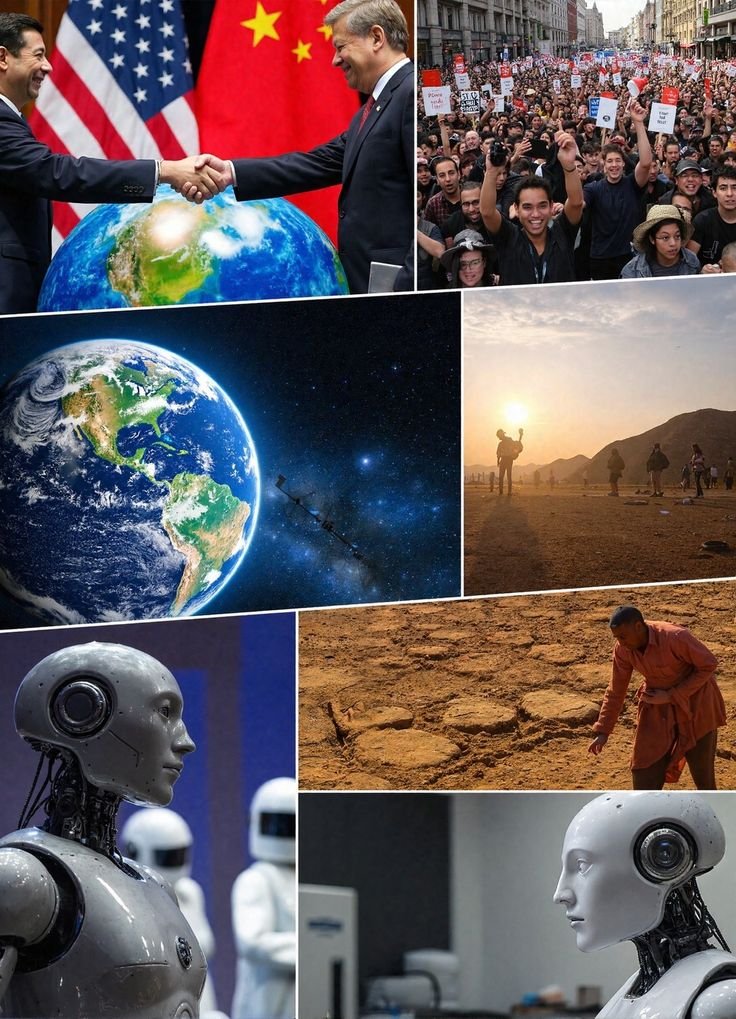
The world is changing rapidly, and several major stories are influencing international politics, the global economy, technology, security and everyday life.
From conflicts and diplomatic tensions to artificial intelligence, energy markets, climate change and economic uncertainty, developments in one part of the world can quickly affect people thousands of miles away.
The biggest global stories are not always connected to a single event. In many cases, they are part of larger trends that could influence the world for years.
Understanding these developments can help explain why governments are changing policies, why markets are moving and why countries are reconsidering their relationships with one another.
So, what are the biggest stories shaping the world?
Conflicts Continue to Influence Global Politics
Armed conflicts remain one of the most important issues in international affairs.
Wars can cause humanitarian crises, disrupt trade, increase refugee movements and affect energy and food supplies.
The war in Ukraine continues to influence European security and relations between Russia and Western countries.
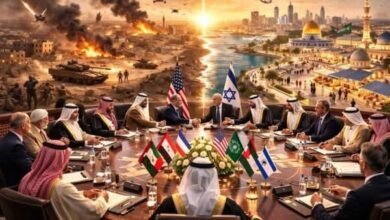
At the same time, instability in the Middle East is affecting regional security and international diplomacy.
Conflicts can also have economic consequences far beyond the countries directly involved.
Energy prices, shipping costs, food supplies and financial markets can all respond to geopolitical developments.
The Middle East Remains a Major Global Concern
The Middle East continues to attract international attention because of ongoing conflicts, regional rivalries and the importance of energy and trade routes.
Events in the region can influence global oil and gas markets.
The Strait of Hormuz is particularly important because it is a major route for international energy shipments.
Any serious disruption could increase transportation costs and put additional pressure on global energy prices.
The situation also involves broader diplomatic questions about regional security and the role of major international powers.
The War in Ukraine Is Reshaping European Security
The conflict in Ukraine has changed the security environment in Europe.
European governments are increasing defense spending and reviewing military strategies.
Countries are investing in air defense, drones, ammunition, intelligence systems and other military capabilities.
The conflict has also demonstrated the importance of technology in modern warfare.
Drones, satellite imagery, electronic warfare and artificial intelligence are increasingly becoming part of military planning.
The consequences of the war therefore extend beyond Ukraine itself.
Global Alliances Are Changing
International alliances are also evolving.
Countries are strengthening existing partnerships while developing new relationships based on economic and security interests.
Military alliances are becoming more important as governments respond to geopolitical uncertainty.
At the same time, economic partnerships are changing as countries seek reliable sources of energy, technology and critical minerals.
The world is not necessarily dividing into two simple groups.
Instead, many countries are trying to maintain relationships with multiple major powers while protecting their own interests.
U.S.-China Competition Remains Important
The relationship between the United States and China is one of the most significant forces shaping international affairs.
The two countries compete in areas including technology, manufacturing, trade and military influence.
Semiconductors and artificial intelligence have become particularly important.
The United States wants to protect access to advanced technologies, while China is investing heavily in developing its own technological capabilities.
The relationship affects businesses, investors and governments around the world.
Trade Disputes Are Reshaping Global Commerce
International trade is also changing.
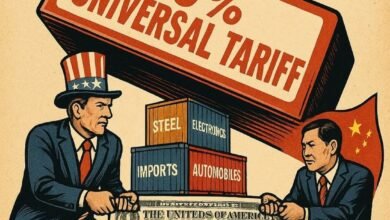
Governments are increasingly using tariffs, export restrictions and industrial policies to protect strategic industries.
The focus is no longer only on producing goods as cheaply as possible.
Countries are also thinking about supply security.
Businesses are therefore reconsidering where they manufacture products and where they source important materials.
This could lead to more diversified supply chains and greater investment in domestic production.
Artificial Intelligence Is Transforming the Economy
Artificial intelligence has become one of the biggest technology stories in the world.
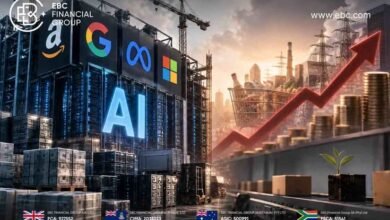
Companies are investing heavily in AI systems, computer chips, data centers and software.
AI could increase productivity and change how people work across many industries.
It is already being used for tasks involving writing, research, coding, customer service, data analysis and automation.
However, the rapid development of AI is also creating concerns.
Governments are debating regulation, privacy, cybersecurity, copyright, employment and the potential risks associated with increasingly powerful AI systems.
The Race for AI Leadership Is Intensifying
Countries increasingly view artificial intelligence as a strategic technology.
AI leadership could provide economic and national-security advantages.
This is encouraging governments to invest in research, computing infrastructure and education.
The competition is also increasing demand for advanced semiconductor chips and enormous amounts of electricity.
As a result, the AI boom is influencing not only technology but also energy policy, manufacturing and international trade.
Energy Security Is Back in Focus
Energy remains one of the most important global economic stories.
Oil and natural gas prices can affect transportation, manufacturing and household expenses.
Geopolitical conflicts can disrupt supplies and shipping routes, creating additional uncertainty.
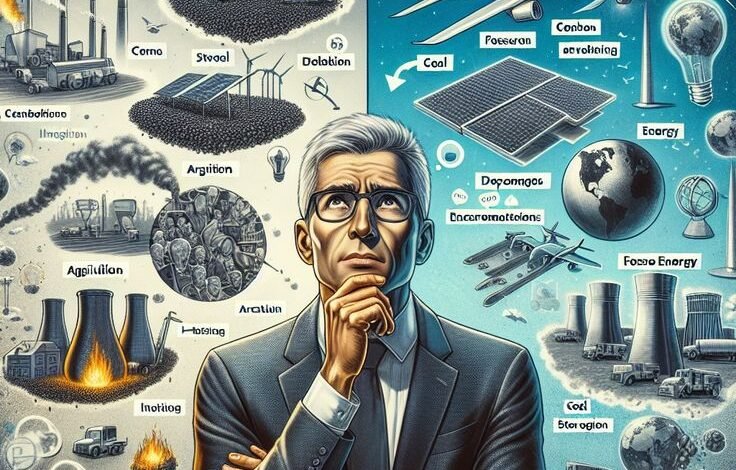
At the same time, countries are investing in renewable energy to reduce dependence on fossil fuels.
Solar, wind, batteries, nuclear power and electric vehicles are becoming increasingly important parts of national energy strategies.
The transition will take time, but it is already reshaping investment and industrial policy.
Climate Change Continues to Affect Communities
Climate change is another major story shaping the world.
Extreme heat, flooding, storms, droughts and wildfires can damage infrastructure and affect agriculture.
Cities are increasingly planning for higher temperatures and more severe weather events.
Governments are investing in flood defenses, resilient infrastructure and clean-energy projects.
Businesses are also considering climate risks when deciding where to build factories and warehouses.
Climate change is therefore becoming both an environmental and economic issue.
Global Health Remains a Concern
Health systems around the world continue to face challenges.
Population aging, healthcare costs, infectious diseases and shortages of medical workers can put pressure on healthcare systems.
Countries are also investing in medical research and technologies designed to improve diagnosis and treatment.
Global health cooperation remains important because diseases can cross borders quickly.
The experience of previous health emergencies has also encouraged governments to strengthen preparedness.
The Global Economy Is Facing Uncertainty
Economic growth remains another major global story.
Inflation, interest rates, consumer spending and business investment are influencing economic conditions.
Central banks are trying to balance inflation control with the need to support economic activity.
Higher borrowing costs can affect housing, business investment and consumer spending.
At the same time, strong employment and technological investment can support growth.
The global economy therefore faces a mixture of opportunities and risks.
Investors Are Watching Markets Closely
Financial markets are reacting to economic and geopolitical developments.
Investors are monitoring interest-rate decisions, inflation, company earnings, energy prices and political developments.
Periods of uncertainty can increase market volatility.
Investors may become more cautious when they are unsure how geopolitical events or economic policies will affect corporate profits.
At the same time, major technological developments such as AI can create new investment opportunities.
Defense Spending Is Increasing
Security concerns are encouraging governments to increase defense budgets.
Countries are investing in aircraft, ships, missiles, drones, cybersecurity, satellites and other technologies.
This trend is particularly visible in Europe and the Indo-Pacific.
Higher defense spending can support manufacturing and technology industries, but governments must also consider the financial cost.
More spending on defense can create difficult choices when governments are already dealing with high debt and demands for social spending.
Critical Minerals Are Becoming Strategic
Critical minerals are becoming increasingly important to the global economy.
Materials such as lithium, copper, nickel and rare earth elements are needed for batteries, electronics, renewable-energy equipment and advanced technologies.
Countries want secure access to these resources.
This is creating competition over mining, processing and supply chains.
The importance of critical minerals shows how natural resources and technology are becoming closely connected.
Demographic Change Is Reshaping Economies
Population trends are another major long-term story.
Some countries are experiencing aging populations and declining birth rates.
This can create labor shortages and increase pressure on pension and healthcare systems.
Other countries have rapidly growing young populations.
If these countries can provide education, infrastructure and employment opportunities, their expanding workforces could support economic growth.
Migration is also influencing population patterns and labor markets.
The Future of Globalization Is Changing
Globalization is not disappearing, but it is evolving.
For many years, businesses focused heavily on reducing production costs.
Today, companies are placing greater importance on resilience, security and reliable access to supplies.
Businesses may maintain suppliers in several countries rather than relying on one location.
Governments are also encouraging domestic production of strategically important goods.
The result could be a more diversified global economy.
What Could Shape the Next Chapter?
Several issues are likely to remain important:
- Wars and geopolitical conflicts
- U.S.-China relations
- Global trade policies
- Artificial intelligence
- Energy security
- Climate change
- Interest rates and inflation
- Defense spending
- Critical minerals
- Global health
- Demographic change
- Technological innovation
These issues are closely connected.
A geopolitical conflict can affect energy prices.
Higher energy prices can increase inflation.
Higher inflation can influence central-bank decisions.
Interest-rate changes can affect businesses and consumers.
Technology can change productivity and employment.
This interconnectedness makes the global outlook difficult to predict.
Final Thoughts
So, what are the biggest stories shaping the world?
The answer includes much more than individual headlines.
Geopolitical conflicts, changing alliances, economic uncertainty, artificial intelligence, energy security, climate change, trade disputes, defense spending and demographic shifts are all influencing the direction of the world.
Many of these developments are connected.
A conflict can change energy markets. A trade dispute can affect technology companies. AI can influence employment and electricity demand. Climate change can affect food production and infrastructure.
For governments, businesses and ordinary people, the challenge is adapting to a world where change is happening across multiple areas at once.
The coming years could bring major opportunities in technology, clean energy and emerging markets, but they may also bring significant challenges involving security, economic stability and international cooperation.
One thing is clear: the biggest global stories are no longer isolated events. They are interconnected developments that can influence countries, markets and communities around the world.